Honoring Black History
Honoring Black History Through Dance
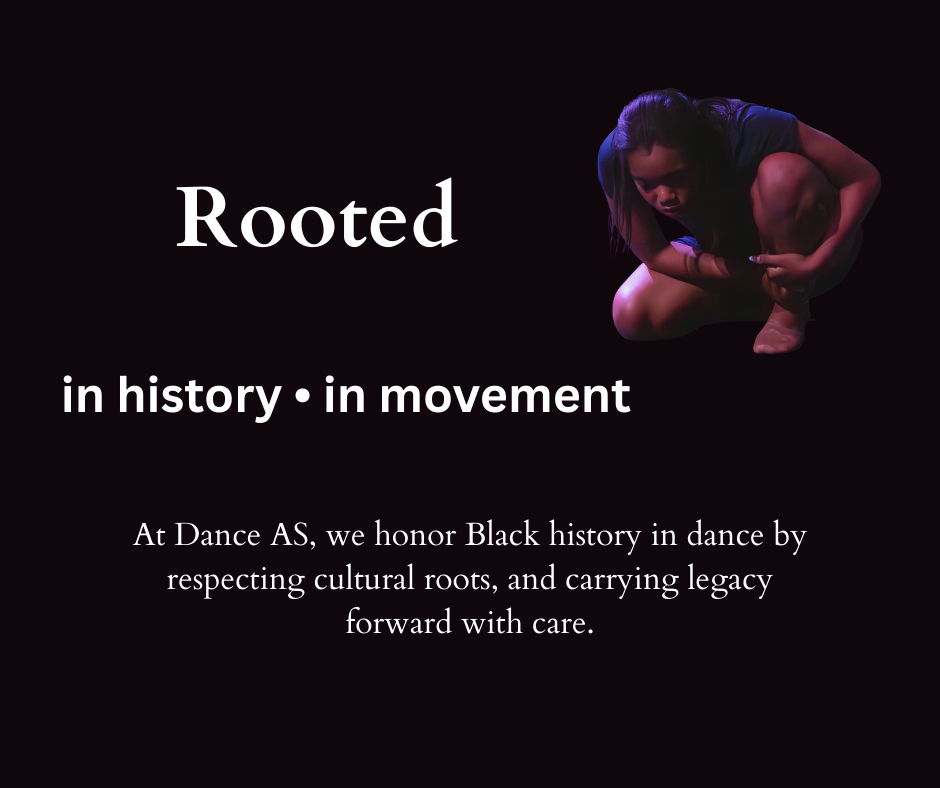
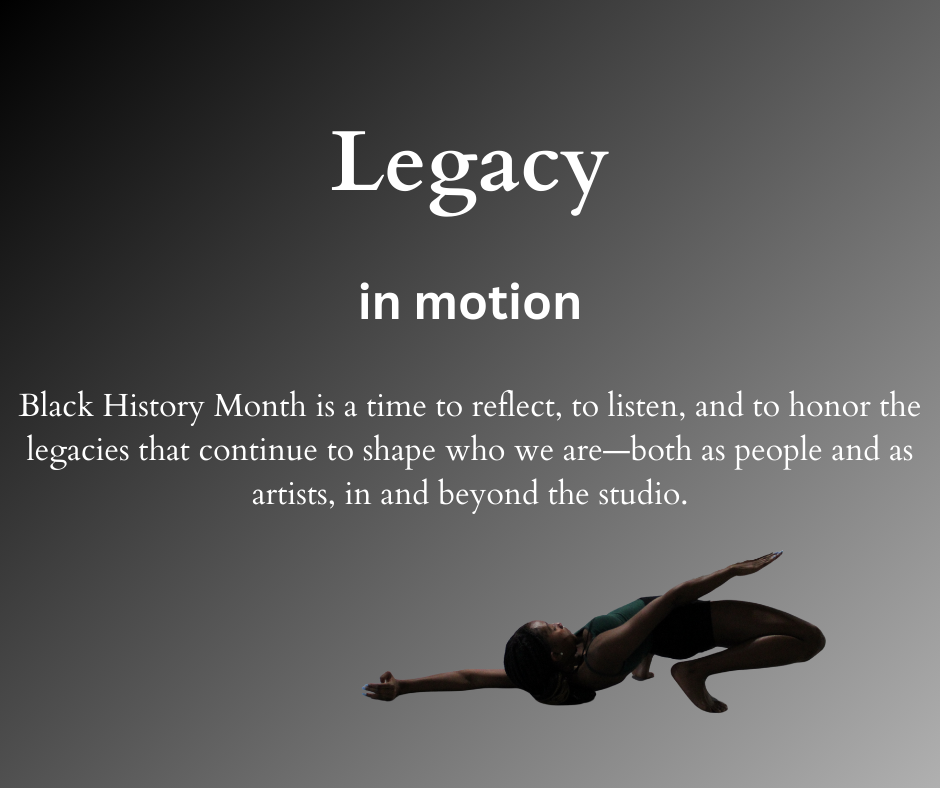
This February, Dance AS is honoring Black History by spotlighting four Black artists whose work has shaped the dance world across generations.
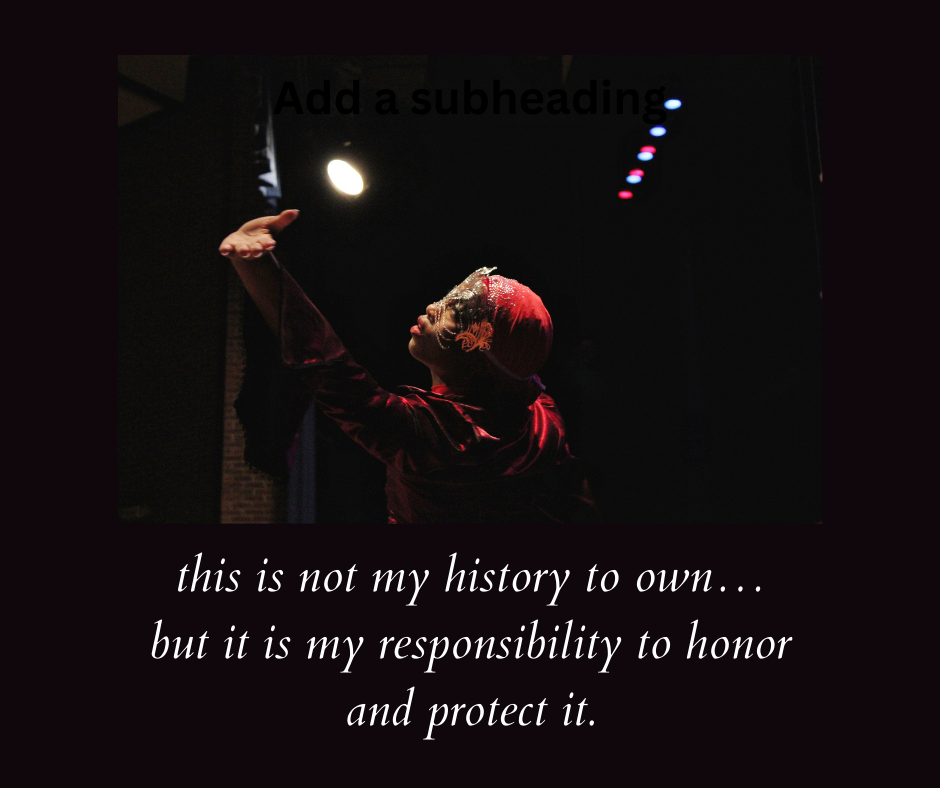
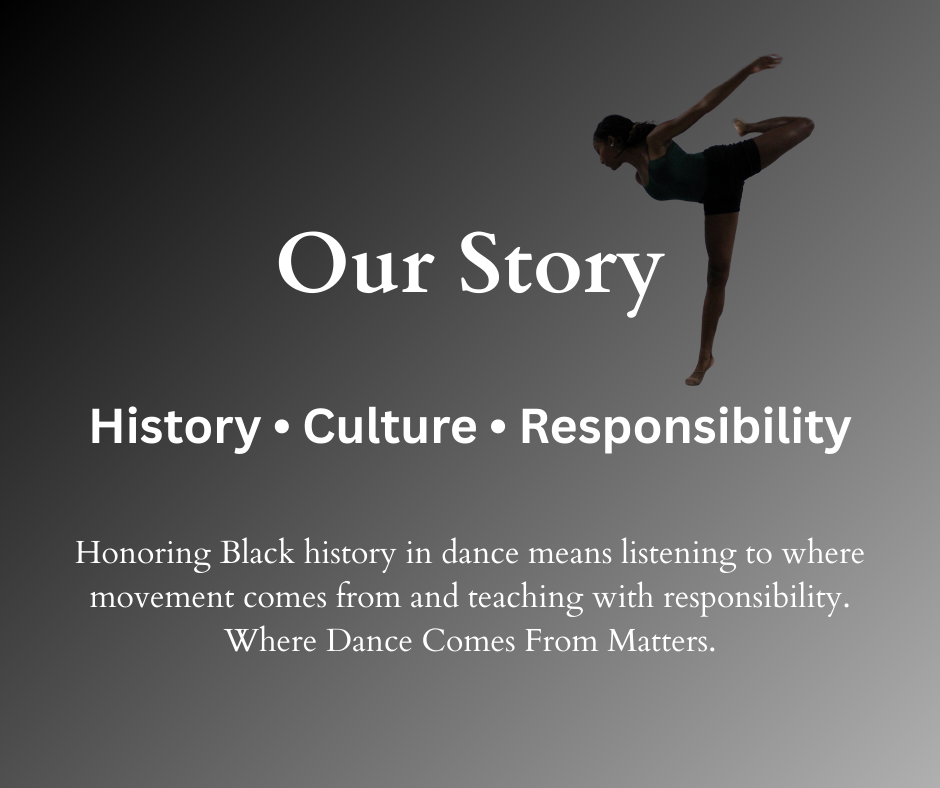
Dance is deeply rooted in Black history, culture, and innovation. While this is not history we own, it is our responsibility as educators and artists to honor, protect, and acknowledge the legacies that continue to influence how—and why—we dance.
Each week, we are featuring one artist whose work reflects a different part of dance’s story. Think of it as opening a new picture book—part blog, part children’s tale, part movement adventure. We’ll share images, easy activities, and creative prompts that invite young dancers to move like the artists we meet. Curious to know more? Every post will include links and ideas to help families keep exploring together.
Alvin Ailey
Gregory Hines
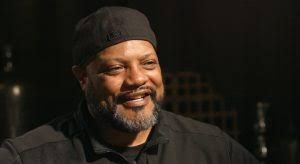
Rennie Harris
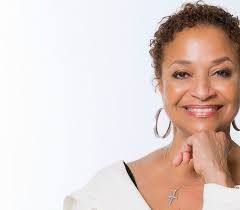
Debbie Allen
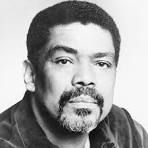
Alvin Ailey
“Dance can carry history, memory and truth.”
We dance to remember - and to be seen.
Blog - History That Continues to Move
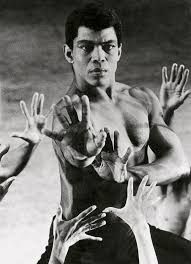
Alvin Ailey: Letting Movement Hold Memory
Foundation & Collective Memory
We begin our Black History Month series with Alvin Ailey—not only because of his prominence in the dance world, but because of what his work represents: foundation, memory, and truth carried through movement.
Alvin Ailey believed that dance could express what words often cannot. Through his choreography, he centered Black experience on the concert stage with dignity, humanity, and spiritual depth—at a time when those stories were too often overlooked or excluded.
His most well-known work, Revelations, draws
from African American spirituals, gospel music, and lived experience. It is not simply a dance—it is a collective memory. Grief, joy, faith, struggle, and resilience live side by side in the movement, reminding us that history is not distant or abstract. It lives in bodies.
Beyond his choreography, Ailey’s legacy is one of access and opportunity. Through the founding of Alvin Ailey American Dance Theater and the Ailey School, he created pathways for young artists—particularly dancers of color—to train, to be seen, and to imagine themselves on stages where they had
not always been welcomed.
For dancers and educators alike, Alvin Ailey’s work offers an enduring reminder:
Technique matters—but so does purpose.
Excellence matters—but so does representation.
Performance matters—but so does truth.
At Dance AS, we honor Alvin Ailey by remembering that dance can be both technically rigorous and deeply human. His legacy challenges us to teach movement with intention, to respect the stories behind the steps, and to create space where dancers feel seen, valued, and connected to something larger than themselves.
We invite you to learn more about Alvin Ailey by exploring his work, watching performances, and listening to the voices of the artists who continue to carry his vision forward.
This is not history to be observed from a distance.
It is history that continues to move.
For Children - A Story About A Man Named Alvin
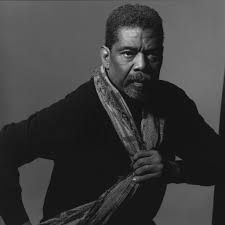
The Man Who Let Dance Tell the Story
Once upon a time, there was a man named Alvin who believed that dance could tell stories words could not.
When Alvin listened to music, he didn’t just hear sound—he felt memories.
He felt joy.
He felt sadness.
He felt hope.
And when he danced, he shared those feelings
with the world.
Alvin grew up hearing songs full of heart and history—songs about strength, faith, and getting through hard times together. When he became a dancer and choreographer, he wanted those stories to be seen, not just heard.
So he made dances that moved like real life.
Dances that reached high with hope.
Dances that bent low with sorrow.
Dances that reminded people they were not
alone.
Some people had never seen dances like Alvin’s before. They had never seen Black stories told so proudly on a big stage. But when the dancers moved, audiences understood—
because feelings don’t need translation.
Alvin believed that everyone deserved a place to dance. He opened doors so young dancers could learn, grow, and dream, even if they had been told “no” before. He built a home for dancers where hard work, heart, and honesty all belonged together.
Today, dancers all over the world still dance Alvin’s stories. When they leap, they carry joy. When they reach, they carry hope. When they move together, they carry history.
And every time we dance with feeling, we remember what Alvin knew all along:
Dance can tell our stories—and our stories matter.
Move Like Alvin Ailey
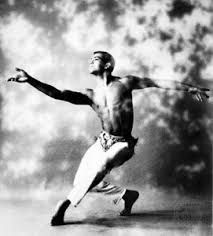
Movement Prompts
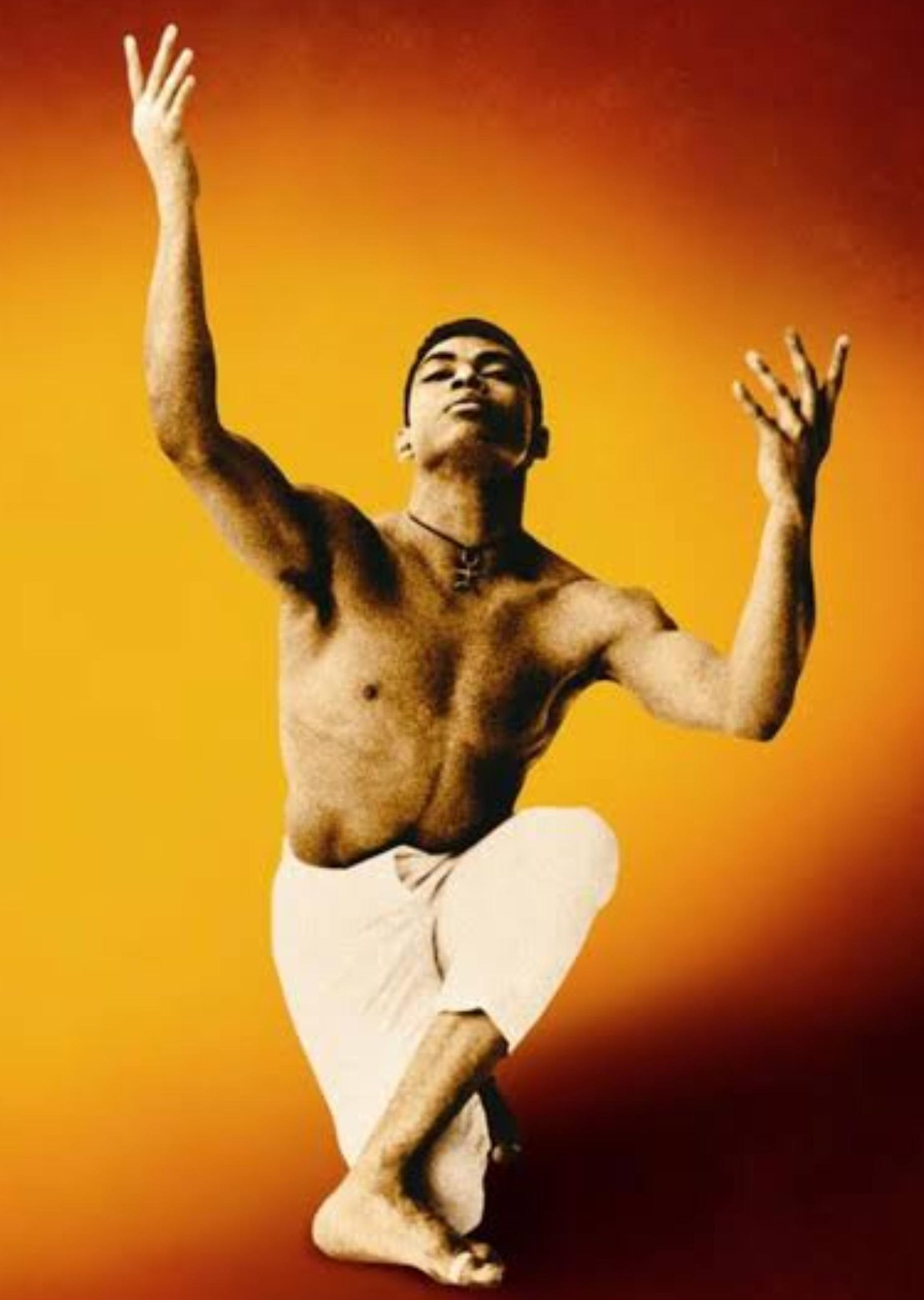
- Reach up like you’re holding hope
- Bend low like you’re listening to the ground
- Dance together without speaking—tell a story with your body
Learn More about Alvin Ailey
Alvin Ailey
🔗 Alvin Ailey American Dance Theater (official site) — history, performances, company info
https://ailey.org/about/history
🔗 Alvin Ailey biography (official Ailey site) — overview of his life and legacy
https://ailey.org/people/alvin-ailey
🔗 PBS American Masters: Ailey (documentary info) — deep dive into his life, work, and influence
https://www.pbs.org/about/about-pbs/blogs/news/american-masters-explores-the-life-and-impact-of-visionary-choreographer-and-dancer-alvin-ailey/
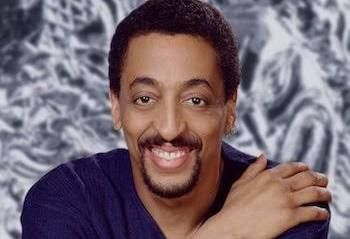
Gregory Hines
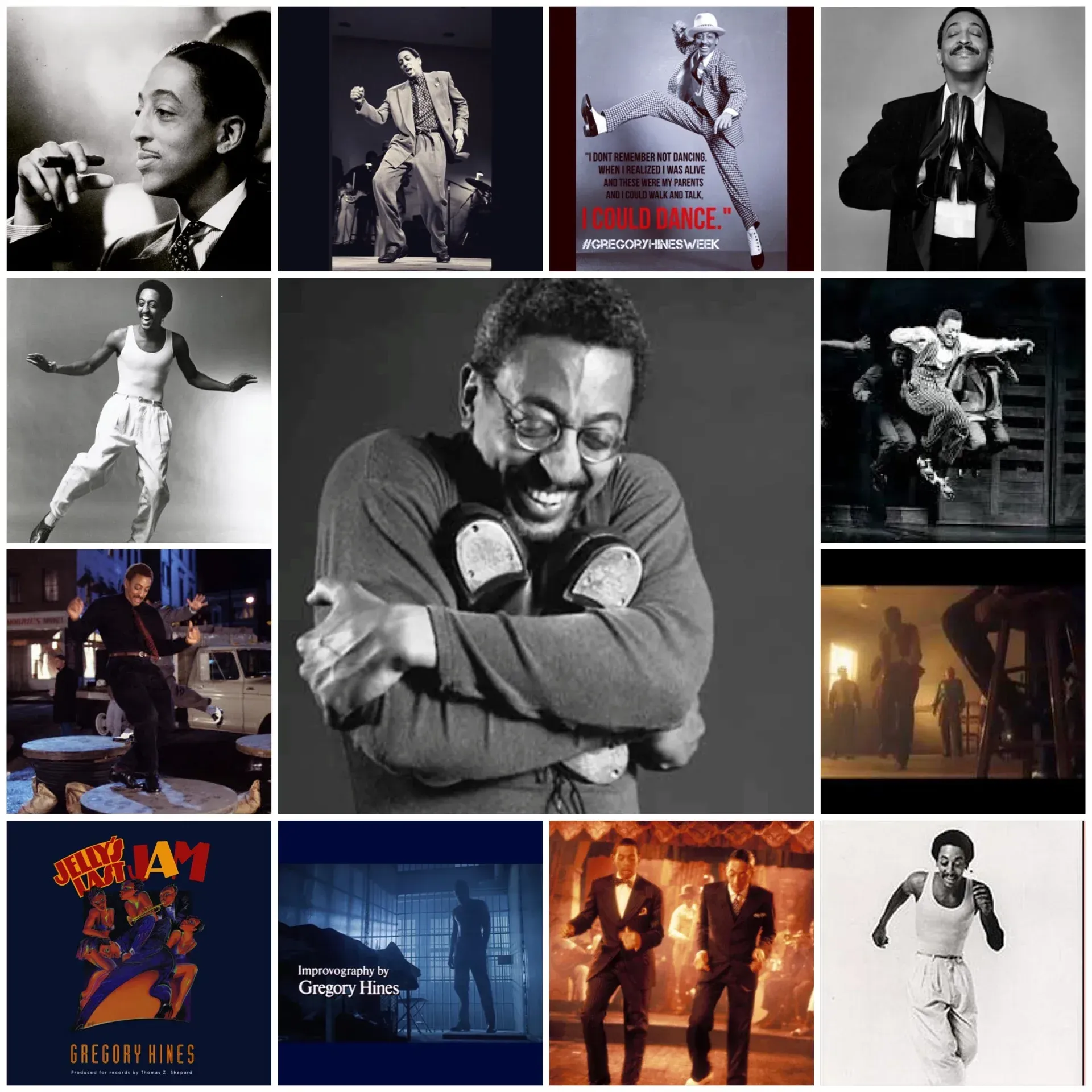
" Dance is passed down - step by step." We honor tradition by dancing it forward.
Blog - Letting Rhythm Speak
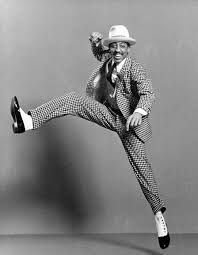
Gregory Hines: A Legacy of Rhythm, Freedom, and Voice
During our celebration of Black History at Dance AS, we reflect on artists who transformed dance into a living expression of culture and identity. Few figures embody that spirit more fully than **Gregory Hines**—a tap dancer who turned rhythm into storytelling and improvisation into art.
Hines approached tap the way a jazz musician approaches music: with curiosity, courage, and a willingness to explore the unknown. Every performance was a conversation between his feet and the floor. He shaped sounds in the moment, bending familiar steps into new patterns and allowing the feeling of the music to guide him. Audiences didn’t just watch him dance—they heard him think.
Rooted in the Black tradition of rhythmic tap, Hines honored the masters who came before him while refusing to let the form stand still. He played with tempo, texture, and silence, connecting tap to the same creative energy found in modern jazz and contemporary dance. His style reminded the world that tap is not simply entertainment—it is innovation.
Beyond the stage, Hines was a devoted advocate for the art form. His efforts helped establish **National Tap Dance Day** in 1989, now celebrated in communities across the country and internationally. He used television, film, and education to shine a light on tap’s history and its future, notably through the PBS special *Gregory Hines’ Tap Dance in America*, which introduced viewers to legends and rising voices alike.
Just as important was his role as a mentor. Dancers such as Savion Glover, Dianne Walker, Ted Levy, and Jane Goldberg have spoken about how his generosity and example shaped their own paths. Hines believed legacy was something you actively pass forward—much like the moving moment he described with his hero Sammy Davis Jr., when he felt the responsibility of carrying the art into the next generation.
For Hines, dance touched every part of life. He often said that movement influenced how he loved, how he acted, how he parented—how he understood the world. Tap was not separate from who he was; it was his language.
At Dance AS, we strive to teach that same truth to our students: that dance is more than steps—it is history, identity, and voice. As we honor Black History, we celebrate Gregory Hines for showing us how to listen deeply, create boldly, and keep rhythm at the center of our humanity.
*May his spirit echo in every studio floor and every dancer brave enough to improvise their own story.*
For Children - A Story About A Man Named Gregory
The Man Who Let His Feet Speak
Once upon a time, there was a man named Gregory who believed that rhythm lived everywhere.
It lived in music.
It lived in laughter.
It lived in the sound of shoes tapping against the floor.
Gregory didn’t just dance—he talked with his feet.
When he was a little boy, Gregory learned that tap dancing wasn’t just about making noise. It was about listening. It was about conversation. His feet could whisper, shout, joke, and sing—all without saying a single word.
As Gregory grew, he carried the sounds of the past with him. He honored the dancers who came before him—the ones who had tapped on street corners, stages, and sidewalks, telling stories with rhythm when they weren’t always given a voice.
But Gregory didn’t stop there. He made tap dancing feel alive and new again. He mixed old rhythms with fresh ideas. He danced with joy. He danced with pride. He danced like he was inviting the world to listen.
Sometimes he danced on big stages. Sometimes he danced in movies. Sometimes he danced just because music asked him to. And every time, his feet told a story of freedom, creativity, and confidence.
Gregory believed that dance could be smart and playful at the same time. That it could honor history and move forward. That it could make people smile while reminding them where the rhythm began.
Today, when dancers tap their shoes and let the floor answer back, Gregory’s rhythm is still there—clicking, tapping, laughing along.
And every time we let our feet speak, we remember what Gregory knew all along:
Dance doesn’t always need words.
Sometimes, rhythm says it best.
Move like Gregory Hines
Movement Prompts
- Make rhythms with your feet or hands
- Dance to the beat, then dance between the beats
- Copy a friend’s rhythm, then add your own
- Make rhythms with your feet or hands
Learn More About Gregory Hines
Gregory Hines
🔗 Gregory Hines – Wikipedia (biography) — career overview, accomplishments & impact
https://en.wikipedia.org/wiki/Gregory_Hines
🔗 Biography.com on Gregory Hines — easytoread profile of his life & work
https://www.biography.com/artists/gregory-hines
Rennie Harris
“Culture deserves respect.”
Where dance comes from matters.
Blog: Honoring Where the Dance Begins
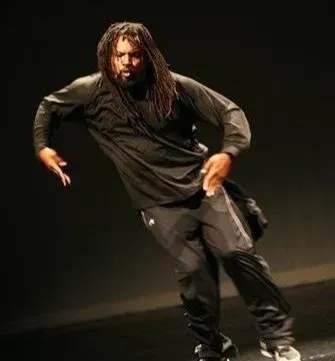
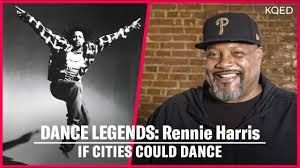
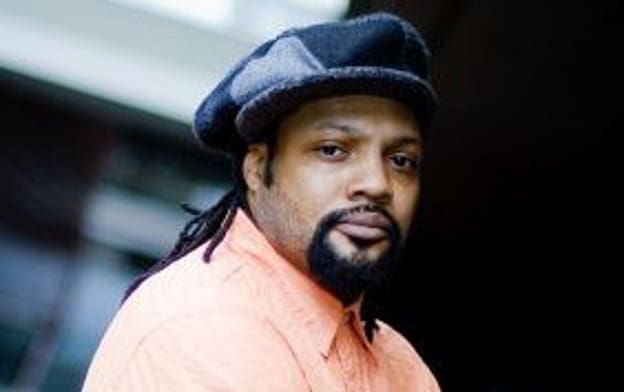
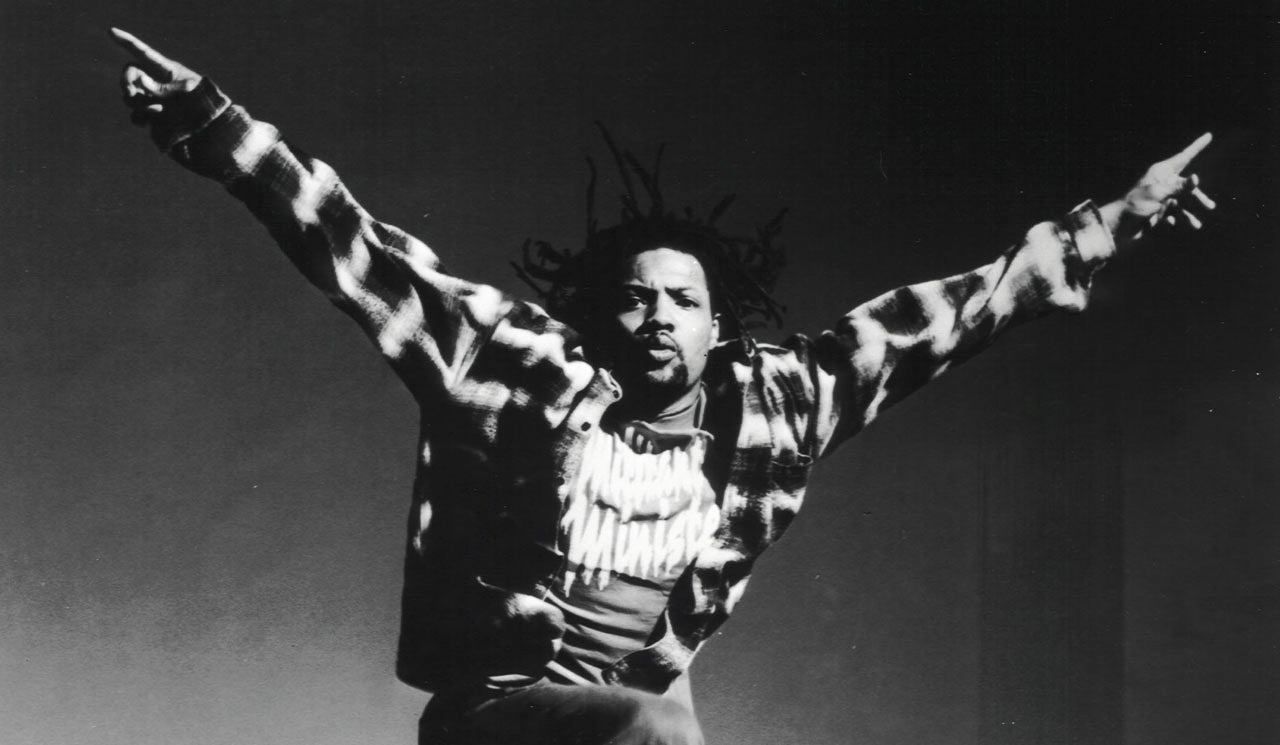
This week, we honor Rennie Harris—an artist who reminds us that where dance comes from matters just as much as where it goes.
Rooted in hip hop and street dance traditions, Rennie Harris has spent his career insisting that these movement forms are not trends or tricks, and not entertainment to be separated from their meaning. They are cultural languages—born from community, lived experience, and history—and they deserve care, respect, and understanding.
When Harris brought hip hop to the concert stage, he did not ask it to change its voice. He brought it as it was. His work challenged long-held ideas about what belongs in formal dance spaces and who gets to decide what is considered “art.” He made clear that innovation does not require erasure, and that legitimacy should never come at the cost of identity.
Rennie Harris’s choreography carries urgency and honesty. It speaks to the present while remaining deeply connected to its roots. His work reminds us that hip hop is not something to be borrowed lightly—it is something to be learned, credited, and protected.
For dancers and educators, his legacy offers an essential reminder:
Learning movement also means learning context.
Celebrating dance means honoring its origins.
Progress does not mean forgetting where we started.
At Dance AS, we honor Rennie Harris by teaching our dancers that dance is more than steps. It is voice. It is culture. It is lived experience. We strive to create spaces where movement is respected not only for how it looks, but for what it carries and where it comes from.
Dance will continue to evolve.
But its roots matter.
And protecting those roots is part of our responsibility as artists and educators.
For Children - A Story About A Man Named Rennie
The Man Who Let the Streets Dance
Once upon a time, there was a man named Rennie who believed that dance could grow anywhere.
It could grow on sidewalks.
It could grow in schoolyards.
It could grow wherever people moved to music and told the truth with their bodies.
Rennie listened closely to the world around him. He listened to the beat of the streets, the rhythm of everyday life, and the stories people carried inside them. When he danced, he didn’t try to make those stories smaller—he lifted them up.
Rennie learned dances that were born outside, not inside fancy buildings. These dances were full of power, pride, and courage. They came from communities where movement was a way to speak, to celebrate, and sometimes to survive.
Some people said those dances didn’t belong on big stages.
Rennie disagreed.
He believed that every form of dance mattered. That hip hop held history. That street dance carried wisdom. That the stories of his community deserved to be seen, respected, and remembered.
So he brought those dances into theaters and onto stages around the world—without changing who they were. He let them be bold. He let them be honest. He let them stay real.
Rennie showed dancers that their voices mattered exactly as they were. That their movement didn’t need permission. That dance could be strong, thoughtful, and powerful all at once.
Today, when dancers step into the floor with confidence, when they move with purpose and pride, Rennie’s message is still there—steady, grounded, and true.
And every time we dance from who we are, we remember what Rennie knew all along:
Our stories are already powerful.
Dance helps the world see them.
Move Like Rennie
Movement Prompts
- Dance close to the ground
- Freeze in a powerful shape
- Dance like you’re telling your truth
Learn More about Rennie Harris
D🔗 Rennie Harris profile on Alvin Ailey (official) — background and choreographic contributions
https://ailey.org/people/rennie-harris
🔗 Rennie Harris Puremovement performance info — context on his company and reach
https://www.arshtcenter.org/digital-programs/currently-playing/all-digital-programs/dance/rennie-harris-puremovement-american-street-dance-theater-nuttin-but-a-word/
🔗 Rennie Harris – Wikipedia — concise overview of his choreography and works
https://en.wikipedia.org/wiki/Rennie_Harris
Connect With Dance AS
Have questions about our programs or upcoming events? Interested in classes, collaborations, or performances? You’re also welcome to share artist suggestions, stories, or resources for future features. We’d love to hear from you.