Gregory Hines: A Legacy of Rhythm, Freedom, and Voice
✨ Black History Month at Dance AS | Week 2 ✨
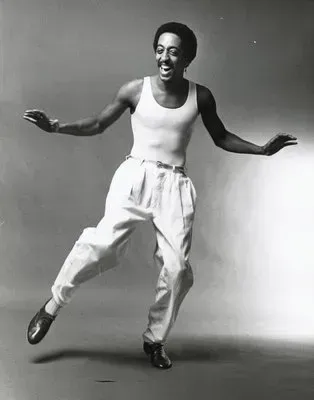
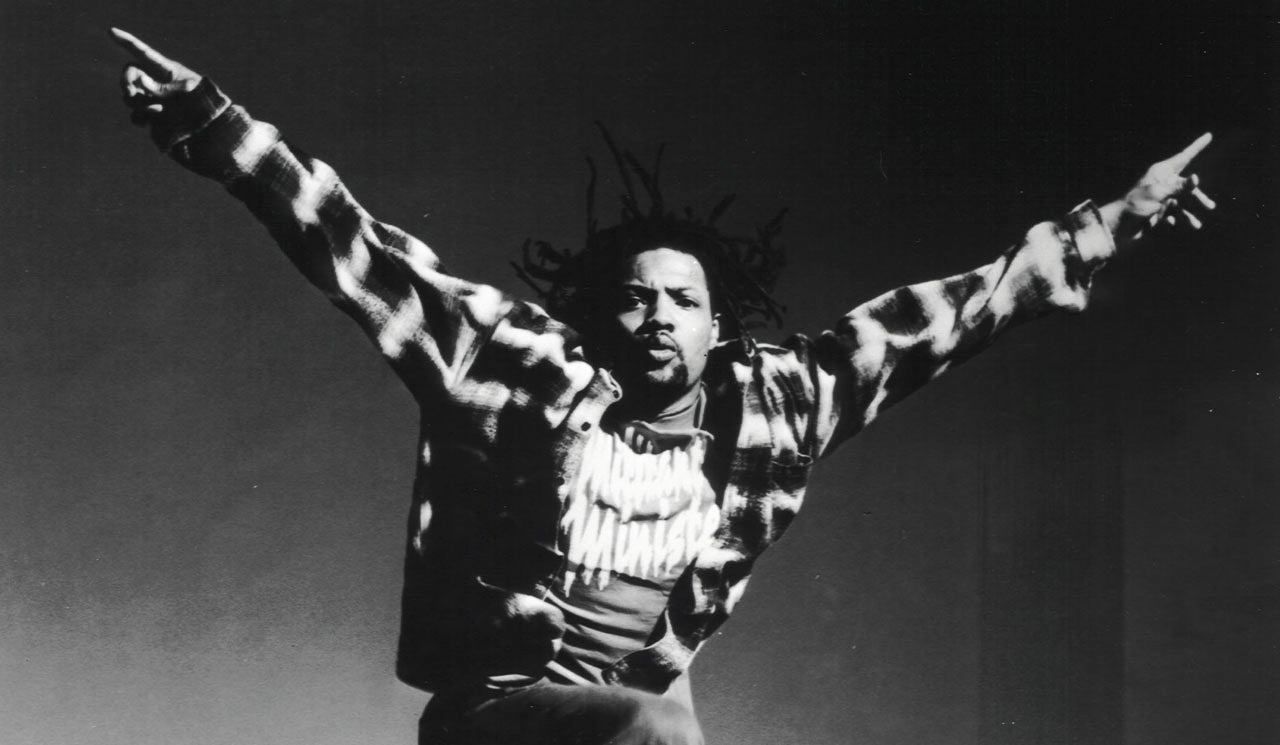
During our celebration of Black History at Dance AS, we reflect on artists who transformed dance into a living expression of culture and identity. Few figures embody that spirit more fully than **Gregory Hines**—a tap dancer who turned rhythm into storytelling and improvisation into art.
Hines approached tap the way a jazz musician approaches music: with curiosity, courage, and a willingness to explore the unknown. Every performance was a conversation between his feet and the floor. He shaped sounds in the moment, bending familiar steps into new patterns and allowing the feeling of the music to guide him. Audiences didn’t just watch him dance—they heard him think.
Rooted in the Black tradition of rhythmic tap, Hines honored the masters who came before him while refusing to let the form stand still. He played with tempo, texture, and silence, connecting tap to the same creative energy found in modern jazz and contemporary dance. His style reminded the world that tap is not simply entertainment—it is innovation.
Beyond the stage, Hines was a devoted advocate for the art form. His efforts helped establish **National Tap Dance Day** in 1989, now celebrated in communities across the country and internationally. He used television, film, and education to shine a light on tap’s history and its future, notably through the PBS special *Gregory Hines’ Tap Dance in America*, which introduced viewers to legends and rising voices alike.
Just as important was his role as a mentor. Dancers such as Savion Glover, Dianne Walker, Ted Levy, and Jane Goldberg have spoken about how his generosity and example shaped their own paths. Hines believed legacy was something you actively pass forward—much like the moving moment he described with his hero Sammy Davis Jr., when he felt the responsibility of carrying the art into the next generation.
For Hines, dance touched every part of life. He often said that movement influenced how he loved, how he acted, how he parented—how he understood the world. Tap was not separate from who he was; it was his language.
At Dance AS, we strive to teach that same truth to our students: that dance is more than steps—it is history, identity, and voice. As we honor Black History, we celebrate Gregory Hines for showing us how to listen deeply, create boldly, and keep rhythm at the center of our humanity.
*May his spirit echo in every studio floor and every dancer brave enough to improvise their own story.*