Dancer Progress

Analeah Stamps • November 12, 2025

What You Don't Always See

Dancer Progress 

What You Don’t Always See 

Analeah Stamps 

November, 2025 


Progress Isn’t Always a Pirouette 
It’s easy to measure a dancer’s progress by visible milestones — higher jumps, longer turns, or perfect technique. But true progress often happens in ways that aren’t immediately visible. Emotional growth, mindset, and resilience are just as important as the skills you see. 


The Visible Milestones 
Yes, we celebrate new choreography, improved technique, and stage achievements. These moments are exciting and tangible. They mark growth, but they’re only one part of the story. 


The Invisible Growth 
Some of the most meaningful progress happens quietly: 

  • Confidence in the studio and on stage. 
  • Emotional resilience — managing frustration, taking corrections gracefully. 
  • Teamwork and community awareness — supporting others, showing empathy.
    These milestones shape dancers into not just skilled performers, but confident, compassionate individuals. 


How We Measure Real Progress at Dance AS 
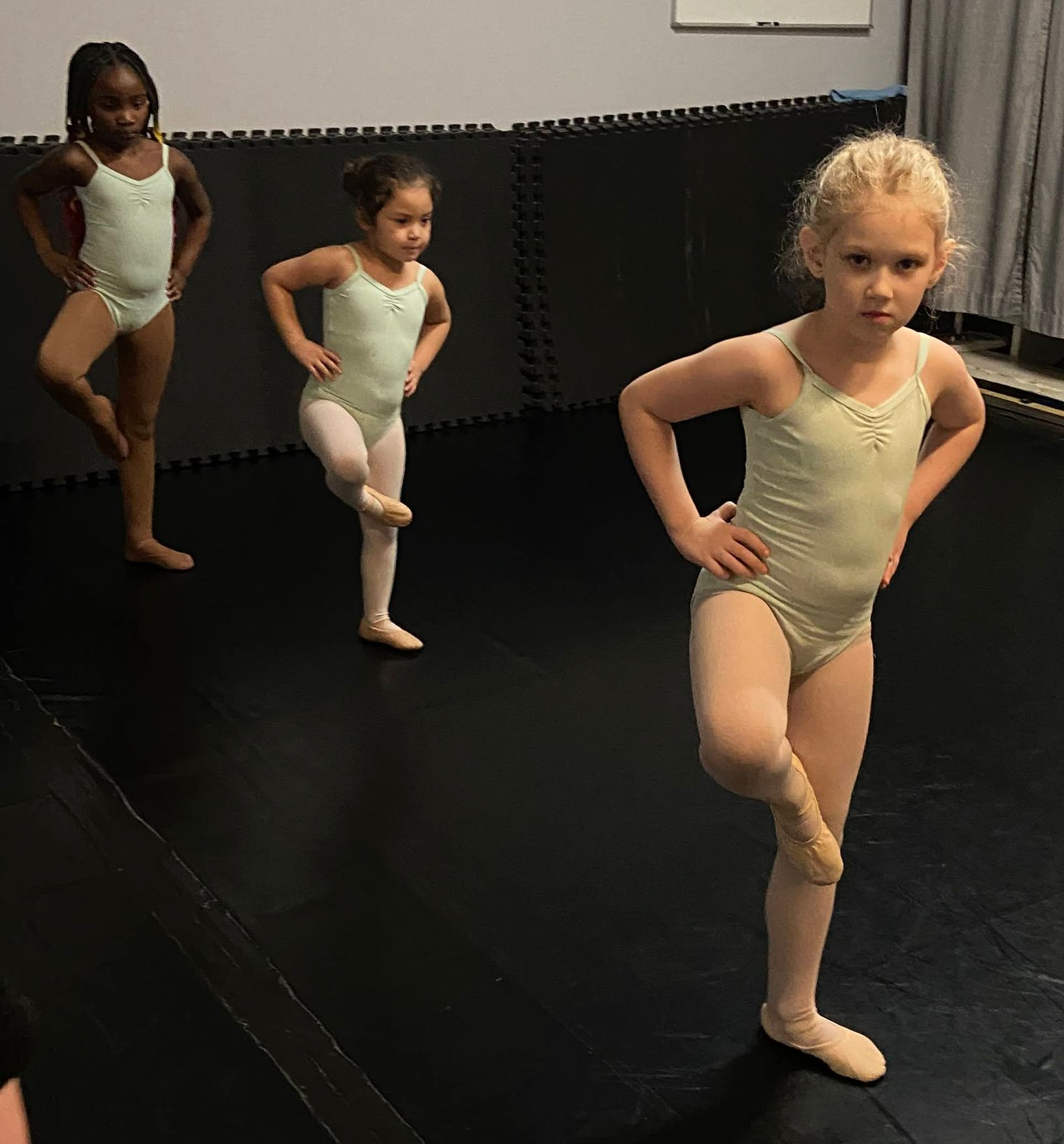
Teachers watch more than technique. We look for engagement, curiosity, effort, and willingness to try. We celebrate small victories — mastering a step, experimenting in improvisation, or showing patience with themselves or others. 


Why Parents Might Miss It (and That’s Okay) 
Some progress unfolds subtly. It might not show in a costume or on stage, but it’s happening every class. Ask your dancer how they felt about class today — pride, creativity, or confidence are often the best indicators. 


The Role of Time and Trust 
Growth is gradual. Some skills take weeks, months, or even seasons to develop. Trust the process, trust the teachers, and trust your dancer. Consistent effort yields results that last far beyond the studio. 


The Progress That Lasts 
True progress combines skill, mindset, and character. At Dance AS, we aim to nurture dancers who not only excel technically but thrive emotionally, socially, and creatively. The lessons that last longest are often the ones you don’t immediately see. 
By Analeah Stamps • August 30, 2026
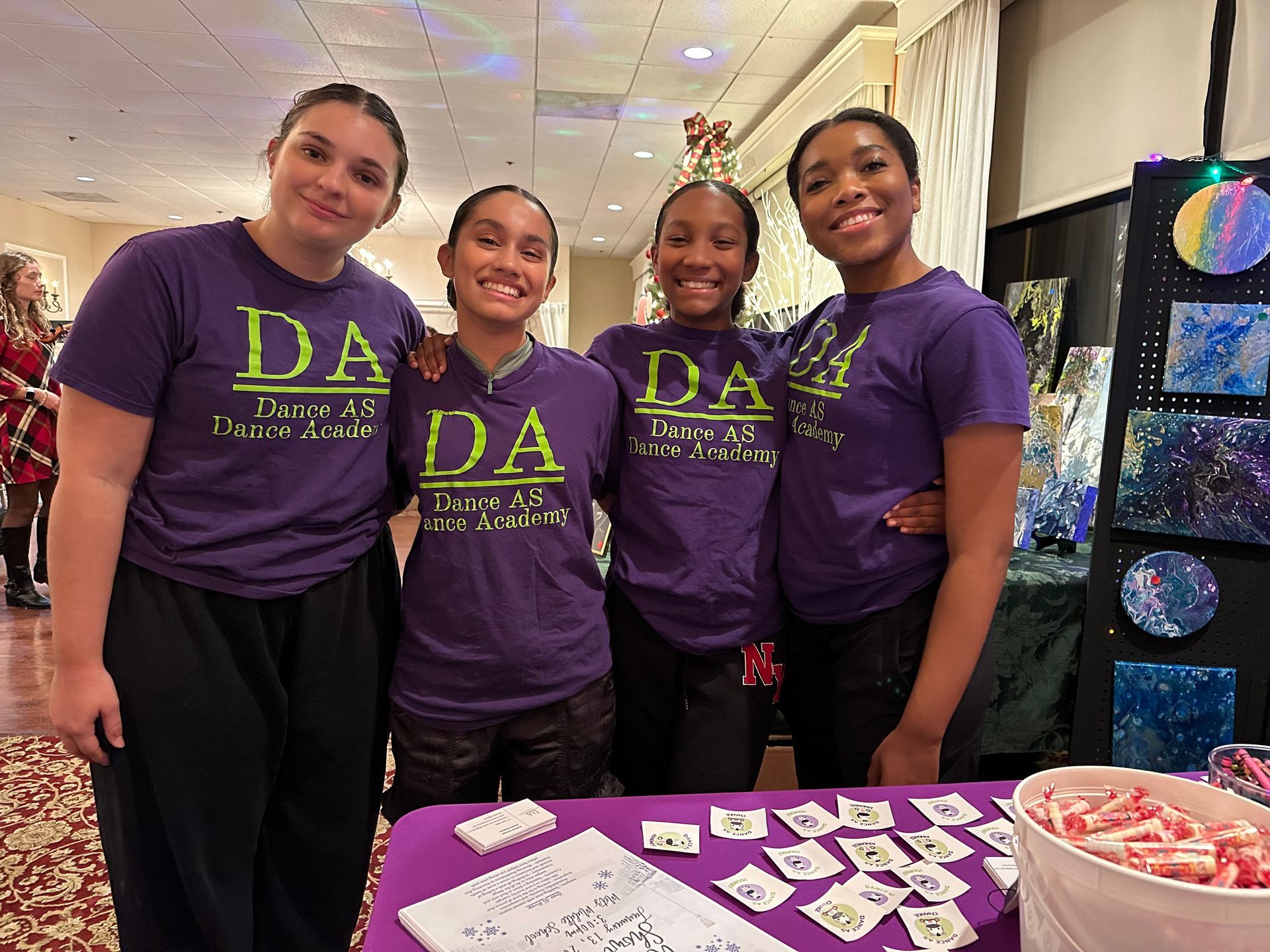
Dance is a Team Sport - Just in a Different Uniform When people think about youth sports, they often picture soccer fields, basketball courts, or baseball diamonds. They think about teamwork, dedication, confidence, and learning to overcome challenges. What many people don't realize is that dance develops those very same qualities. Dance may look different, but the lessons are remarkably similar. Teamwork Beyond the Game A dance class isn't simply a group of individuals learning steps. It is a team learning to move together, trust one another, and work toward a shared goal. Whether dancers are performing in a ballet, jazz routine, or contemporary piece, every person has an important role. Success depends on everyone showing up, practicing consistently, encouraging one another, and working together. Just like in any team sport, every member matters. Confidence That Lasts Confidence doesn't happen overnight. It grows every time a dancer masters a new skill, performs in front of an audience, receives constructive feedback, or discovers they can accomplish something they once thought was impossible. Dance teaches children that mistakes are part of learning—not something to fear. That mindset often carries into school, friendships, and everyday life. A Healthy Relationship with Their Body Dance teaches children to appreciate what their bodies can do rather than focusing solely on how they look. As dancers become stronger, more coordinated, and more capable, they begin to develop trust in themselves. They learn that strength, flexibility, balance, and perseverance are qualities worth celebrating. Our goal is for dancers to build a positive relationship with movement—one rooted in health, confidence, and self-respect. Discipline and Responsibility Like every athletic activity, dance requires commitment. Students learn to arrive prepared, listen carefully, practice regularly, and continue working even when progress feels slow. These habits don't just make better dancers—they build character that serves children throughout their lives. Creativity Is a Strength One of dance's greatest gifts is that it combines athletic training with artistic expression. Children learn to solve problems creatively, express emotions, interpret music, and communicate without words. These experiences strengthen imagination while developing critical thinking and resilience. Creativity is not separate from success—it is part of it. Every Performance Is a Team Victory When the curtain rises, the audience may see individual dancers, but what they are truly witnessing is months of collaboration. Every rehearsal, correction, encouraging word, and shared challenge contributes to the final performance. The applause belongs to everyone. More Than Dance At Dance AS, we absolutely want our dancers to become technically strong. But our greatest hope reaches beyond beautiful performances. We want children to leave our studio believing in themselves. We want them to discover confidence when something feels difficult, courage when they step onto a stage, resilience when they make mistakes, and joy in celebrating the success of others. Those are the same life skills families hope their children gain through sports. Dance simply teaches them through movement. Because in the end, dance isn't an alternative to athletics. It is one of them—with artistry woven into every step.
By Analeah Stamps • April 3, 2026
Three Years...
By Analeah Stamps • February 16, 2026
Black History Month at Dance AS | Week 3