Honoring Black History
Honoring Black History Through Dance
A Note From Ms Analeah
At Dance AS, we approach Black History Month as a time for listening, learning, and honoring—not summarizing or speaking over history. Much of the dance we teach and love is rooted in Black culture, innovation, and lived experience. While this is not history we own, it is history we are responsible for acknowledging, protecting, and carrying forward with care. Rather than attempting to cover everything, we choose to move slowly and intentionally—spotlighting individual artists and inviting our community to engage through reflection, movement, and education. This approach reflects our belief that honoring history in dance is not a one-month activity, but an ongoing commitment.
Black History Month is a time to reflect, to listen, and to honor the legacies that continue to shape who we are—both as people and as artists.
As the founder of Dance AS, I want to say this clearly and honestly:
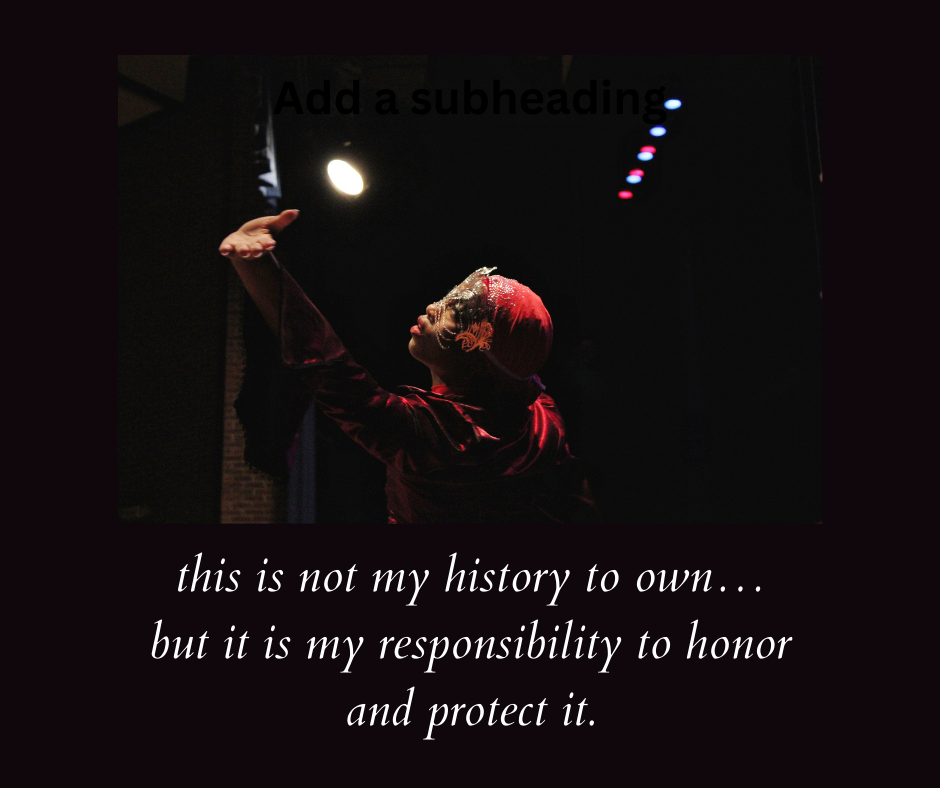
this is not my history to own—but it is my responsibility to honor and protect it.
Dance, in nearly every form we teach and love, is deeply rooted in Black history, Black culture, and Black innovation. From concert dance to jazz, tap, hip hop, and beyond, the movement languages we train in did not appear in a vacuum. They were shaped by artists, communities, and traditions that deserve recognition, credit, and respect—not just this month, but always.
This February, Dance AS is honoring Black History Month by spotlighting four Black artists whose work has profoundly influenced the dance world. Rather than trying to summarize Black history, our intention is to honor legacy, acknowledge lineage, and invite our community to learn directly from the artists and traditions that came before us.
Each week, we will feature one artist whose work reflects a different part of the story dance tells.
This Month at a Glance
Alvin Ailey – Foundation & Collective Memory
We begin with Alvin Ailey, whose work centered Black stories on the concert stage with dignity, humanity, and spiritual depth. His legacy reminds us that dance can carry history, resilience, and communal truth.
Gregory Hines – Roots & Joy
A master of tap and jazz tradition, Gregory Hines embodied the idea that dance is passed down—step by step, generation by generation. His work honors excellence, joy, and the responsibility of carrying tradition forward.
Rennie Harris – Cultural Voice & Protection
Rennie Harris brought hip hop to the concert stage without stripping it of its cultural roots. His work reminds us that innovation does not require erasure—and that protecting cultural context matters.
Debbie Allen – Access, Education & the Future
We close the month honoring Debbie Allen, whose lifelong commitment to arts education, representation, and access continues to open doors for future generations of dancers.
Each artist will be honored in their own post, with opportunities to learn more about their work through performances, interviews, and organizations connected to their legacy.
At Dance AS, we believe that being a dance educator means more than teaching steps. It means teaching respect for where movement comes from, gratitude for who built the path, and responsibility for how we carry it forward.
We invite our dancers, families, and community to read along with us this month—watch, listen, learn, and reflect. Honoring Black history in dance is not a one-time act; it is an ongoing commitment.
With respect and gratitude,
Analeah
Founder & Artistic Director, Dance AS